Why Arkansas Oaks Die: Hypoxylon Canker and the Diseases to Know
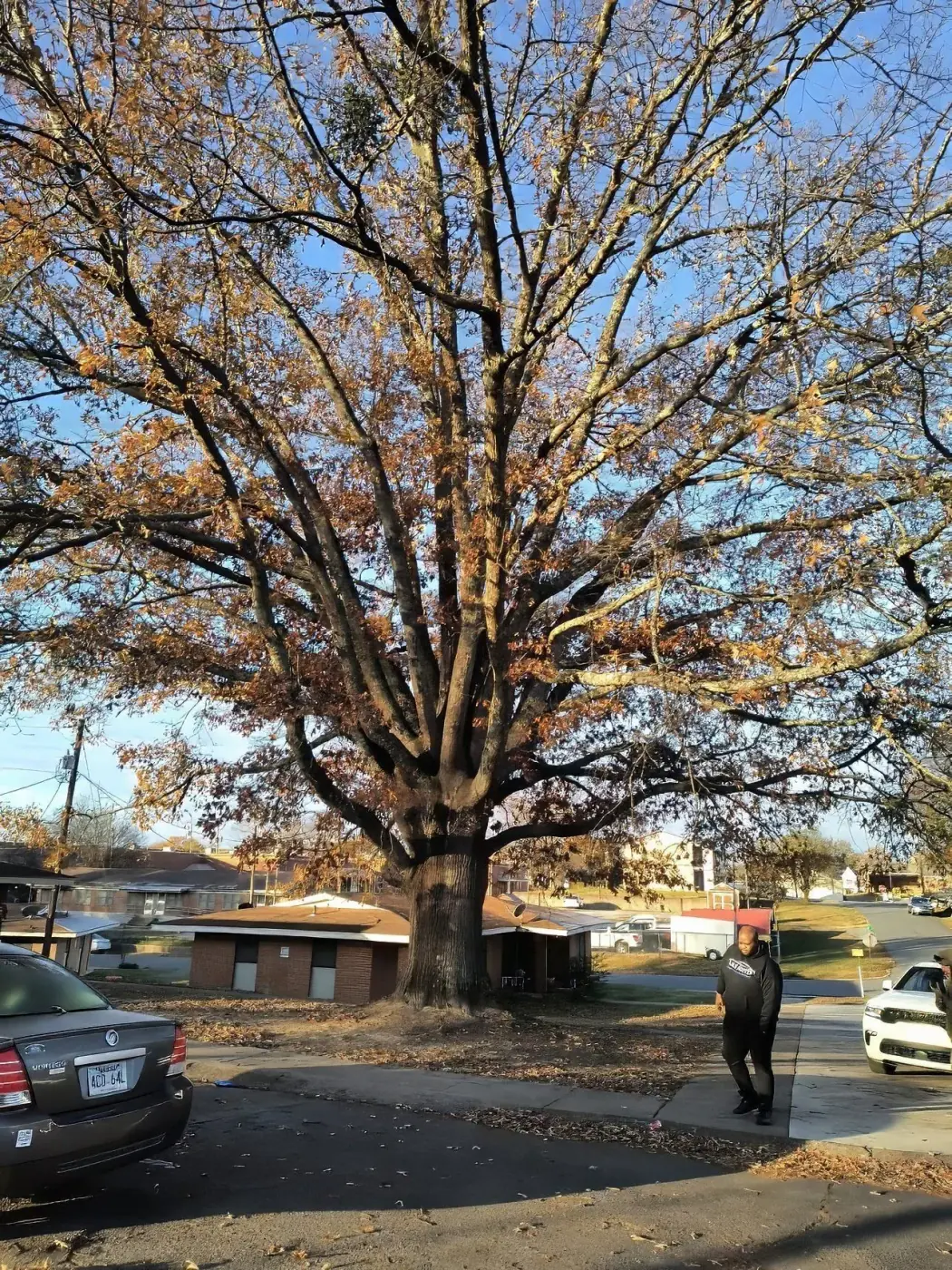
The saddest calls I get are about oaks. Nobody mourns a sweetgum, but when a hundred-year-old oak that shaded three generations starts dropping bark, people want answers. After 24 years of looking at sick oaks across Clark County, the answer is usually one of a few diseases, and one of them is behind most of the oak deaths in this part of Arkansas.
Hypoxylon Canker: The Drought Follower
If I had to name the number one oak killer around Arkadelphia, it’s hypoxylon canker. Here’s the strange part: the fungus is already in most of our oaks right now, doing nothing. It lives quietly in healthy trees and only turns killer when the tree gets stressed, and in south Arkansas, stress means drought.
That’s why the calls come in waves. A hot, dry summer like we get every few years weakens the oaks, and the following year I start seeing the signs all over the county.
What to look for, in order:
Thinning top. The crown gets sparse, with smaller and fewer leaves, usually starting in one section.
Bark sloughing off in patches. This is the tell. Big flakes of bark fall away, exposing patches that start tan or silvery and darken to a crusty gray-black, like someone smeared tar under the bark. Once you can see those patches, the tree is not coming back.
Fast decline. An oak can go from rough-looking to dead in a single season once hypoxylon takes over.
There’s no spray and no cure. The only real defense is keeping oaks unstressed, which mostly means deep watering during bad droughts and not tearing up their roots with construction.
The Part Nobody Warns You About
A hypoxylon-killed oak isn’t just dead, it’s dangerous in a hurry. The same fungus that kills the tree rots the wood, and it works fast. Within a year or two, a big dead oak becomes too brittle to climb safely, which changes how it has to come down and what the job involves.
I’ve turned down climbs on dead oaks that had stood too long, because the wood wouldn’t hold a man. Those trees have to come down with a bucket truck or heavier equipment, and access gets complicated. The practical point for a homeowner is simple: when an oak dies, schedule the removal soon, while it can still be taken down the easier way. A dead oak is one tree where waiting costs real money.
Oak Wilt and the Other Suspects
Oak wilt gets the headlines in Texas, and it does show up in Arkansas. It hits red oaks hardest, and the sign is leaves browning from the edges inward and dropping while still half green, often starting at the top. It moves through root systems between neighboring oaks, so one sick red oak close to others is worth a professional look fast. It’s also the reason I don’t do major oak pruning in the warm months, since fresh cuts attract the beetles that carry it. There’s more on that in my guide to when to trim trees in Arkansas.
Oak decline is the slow one. Older oaks, usually already stressed by drought, construction damage, or age, fade over several years. The top dies back branch by branch and sprouts pop out along the trunk. It’s not one disease but a pile-up of stresses, and sometimes a good trim and some root care buys the tree another decade. Sometimes it doesn’t.
Root rot shows up as mushrooms at the base of the trunk and a tree that leans or feels loose. Any mushroom growth on the trunk or root flare of an oak deserves attention, because it means decay where the tree can least afford it. That one’s covered in my signs a tree is dying guide.
When an Oak Is Worth Fighting For
Not every sick oak is a lost oak, and I’d rather save one than cut one. An oak with a thinning crown but sound bark and no fungus patches often just needs stress relief: water in drought, dead wood out, no digging near the roots. The time to call is when you first notice the thinning, not when the bark starts falling. Early, there are options. Late, there’s a stump.
If you’ve got an oak you’re worried about anywhere in Clark County or over toward Hot Springs, the look is free, and I’ll give you a straight answer either way.
About Plyler’s Tree Service
Plyler’s Tree Service has served Arkadelphia and Clark County since 2002. Owner Robbie Plyler and his crew handle tree removal, trimming, stump grinding, and emergency storm work across Clark, Hot Spring, Garland, and Pike counties. Fully insured, with over 70 five-star Google reviews.
Need a tree handled? Get a free estimate today.
Call (870) 245-7944 or request a free quote. If the bark is coming off, don’t wait.